









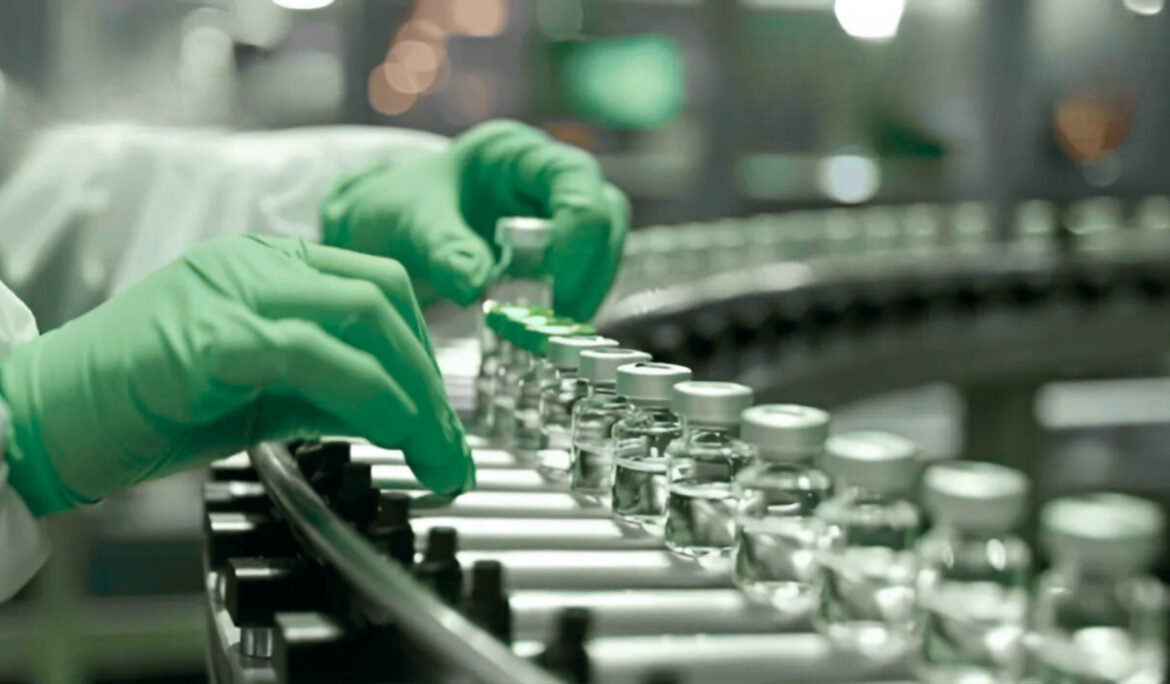
Third-Party Manufacturing or In-House Production
Pharmaceutical companies are always trying to assess the best, most efficient, and affordable way to get quality products to market. One of those strategies is whether or not to use a third-party manufacturer or an in-house manufacturer. With expansion goals, production capacity, and budget constraints in mind, pharmaceutical organizations must consider the benefits and drawbacks of the two options: third-party manufacturing versus in-house manufacturing.
So, Davis Medilabss has solutions in third-party manufacturers to help pharma brands grow quickly while keeping their quality and optimizing their resources.
Third-Party Manufacturing: A Scalable Option
In third-party manufacturing, a pharmaceutical company hands over the production of its product to an outside specialized facility. This model is gaining popularity due to its flexibility, low cost of production, and quick pace. Third-party manufacturing allows emerging and mid-sized pharma companies to enter the market without heavy infrastructure and staffing investments.
In order to compare third-party manufacturing with in-house production, an analysis should be made of how overhead costs are impacted: outsourcing lowers overhead and lets the company put more emphasis on branding, marketing, and distribution.
Importance of Third-Party Manufacturing
Invest Less: No need for channel building or maintaining manufacturing units.
Access to Expertise: Certified, equipped, and highly capable manufacturers like Davis Medilabs are made available.
Shorter Time-To-Market: Infrastructure-ready means shorter times for launching the product.
Regulatory Compliance: WHO-GMP certified facilities maintain consistent quality and safety.
In-House Production: Full Control With Higher Cost Implications
In-house production is the manufacturing of pharmaceutical products within one’s premises. This model requires significant investment in equipment, skilled labor, materials, and compliance due to full control over pricing, processes, quality, and production timing.
When evaluating third-party manufacturing versus in-house production, it also pays to consider if your business can bear the production internally in terms of finances and operations without loss of efficiency.
Challenges of In-House Production:
High setup cost: Infrastructure, machinery, and staffing require a high investment.
Regulatory burden: Many resources could be spent on keeping up with changes in standards.
Limited scaling: Any production capacity may have some eventuality of being further invested in or scaled up, down the line.
Why Is Davis Medilabs a Smarter Choice?
Davis Medilabs is a reputable third-party manufacturer offering pharma companies a reliable, compliant, and scalable production alternative. WHO-GMP certified facilities and expert teams ensure timely delivery, quality, and customized solutions for tablets, capsules, syrups, injectables, and nutraceuticals. If you’d like to weigh options between third-party manufacturing and in-house production, partnering with Davis Medilabs will give you all of the speed, flexibility, and cost advantages without sacrificing quality.
Whether you choose to work with a third-party manufacturer or establish your own in-house pharmaceutical manufacturing company is based on your goals, financial objectives, and operational capabilities. Pharmaceutical companies benefit most from outsourcing to reputable manufacturers like Davis Medilabs. Partnering with Davis Medilabs gives you access to our expertise and facilities, allowing you to focus on your brand and customers.